
Technical
Can the player receive, pass and choose a suitable technique under pressure?
PLAY → TRACK → DEVELOP
Matches bring technique, space, timing and teammates together. We observe how players see, choose and cooperate, then turn those observations into the next training goals.
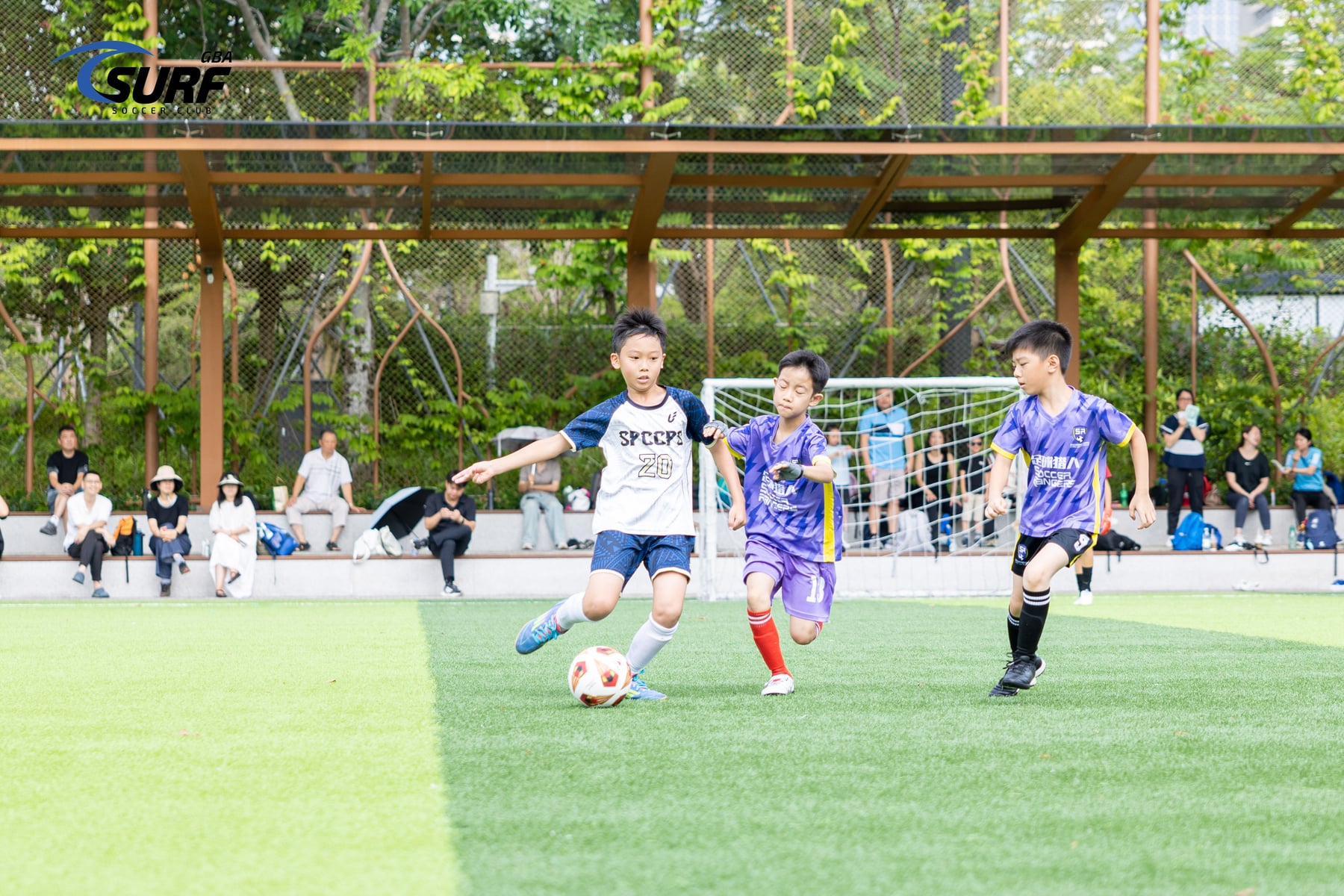
Was a pass the right choice? Did a movement help a teammate? Did the player stay involved after a mistake? Matches give coaches context and help players understand why they practise.
01 · Apply Technique
02 · Understand the Game
03 · Find a Development Focus
Small-sided learning in sessions and selected friendly opportunities matched to age, ability and the activity schedule. External matches are not guaranteed weekly; coaches confirm each arrangement.
5v5, 6v6, 8v8, invitationals and tournaments are future development directions. There is no fixed bookable schedule here; formats will be introduced according to age and readiness.
Observations support learning and are interpreted in the context of age, development stage and the game.
Can the player receive, pass and choose a suitable technique under pressure?
Does the player scan the space before deciding what to do?
Does the player understand position, support and transitions?
How does the player use speed, coordination, movement and physical contact?
Does the player stay engaged, resilient and responsible when challenged?
Does the player communicate, support teammates and solve problems together?
The profile framework connects training, matches and next goals. This page presents the structure and a sample. Confirm current records, report frequency and individual plans with the coach; real material is shared publicly only with permission.
Sample Profile
Junior Rangers · JR · 7–10
Sample Profile · A fictional JR scenario. Stars illustrate the presentation, not a real assessment or standardised scoring system.
Receiving under pressure and scanning before receiving.
Shows good awareness in small-sided games and is beginning to transfer training habits into match situations. Next, keep scanning before receiving when an opponent applies pressure.
01
Age group, preferred position and training stage; younger players can explore different roles.
02
Participation, development focus and coach notes.
03
Match experiences, positions tried and observations across six dimensions.
04
Football IQ, effort, teamwork, responsibility and development milestones.
05
With permission, match clips and training highlights can be added in future.
06
Bring together observations over time to explain progress and areas to practise.
07
Turn the report into practical goals for the next training stage.
08
At the long-term planning stage, connect the profile with academics, language and family goals.
Contact Us
Tell us your child's age, football experience and goals. We will help you find a suitable group and discuss the training schedule.
WeChat: SoccerRangers